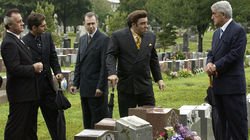
S05E09 - aired 2004-05-02

Unidentified Black Males

Season 5 episode guide - plot, credits, music, and analysis.

Plot

The episode opens in a clinical setting where Dr. Melfi observes Tony Soprano undergoing psychotherapy for the first time. The session is marked by an immediate tension; Tony arrives late and appears agitated, setting a somber tone that permeates the entire narrative. Following his appointment, Tony visits his mother Livia at her estate. This visit highlights the continuing friction between the two, as Livia manipulates the situation to ensure Tony feels guilty about not visiting her more often, while Tony attempts to navigate the emotional weight of their relationship without losing his temper. The dynamic is further complicated by the presence of Tony's father, Junior, who remains in a state of denial regarding his cancer diagnosis and refuses to engage with reality or accept help from medical professionals. The narrative then shifts to the family business, where Silvio Dante discusses potential investments with Paulie Walnuts. The conversation touches upon the idea of investing in a new restaurant concept, but the mood is somber due to the ongoing uncertainty surrounding Tony's health status. Meanwhile, Christopher Moltisanti faces his own internal struggles, particularly regarding his relationship with Janice and the pressure he feels from both his criminal family obligations and his desire for a legitimate life. The episode also delves into the subplot involving Bobby Baccalieri, who is dealing with personal issues that affect his professional standing within the organization. A significant portion of the plot revolves around the mysterious illness afflicting Tony. As the story progresses, it becomes increasingly clear that Tony's condition is not merely a physical ailment but a psychological one as well. The episode explores the theme of identity and transformation, raising questions about what it means to be a Soprano when one is facing mortality. The narrative takes a dark turn when Tony experiences a series of disturbing dreams and hallucinations, which blur the line between reality and his subconscious fears. These visions serve as a metaphor for his deteriorating mental state and the overwhelming pressure he faces from both his family and his enemies. The episode culminates in a series of intense confrontations that test the loyalties and boundaries of the Soprano crime family. Tony's health crisis forces him to reconsider his priorities and the cost of maintaining power at all expenses. The climax of the episode sees Tony grappling with the possibility of losing everything he has built, including his life itself. The narrative leaves viewers questioning whether Tony's transformation into a different version of himself is a literal change or a symbolic representation of his internal struggle.

Credits

This episode aired on May 2, 2004, as part of the fifth season of The Sopranos. It was written by David Chase and directed by Tim Van Patten. The cast included James Gandolfini as Tony Soprano, Lorraine Bracco as Dr. Jennifer Melfi, Edie Falco as Carmela Soprano, Michael Imperioli as Anthony "Tony" Baccalieri, Dominic Chianese as Corrado "Junior" Soprano, Jamie-Lynn Sigler as Meadow Soprano, Robert Iler as A.J. Soprano, Tony Danza as Dr. John Melfi, and Steven Van Zandt as Silvio Dante.

Music

The episode features a soundtrack that includes tracks by various artists, providing an emotional backdrop to the scenes: - "Black White" by Billy Joel - "Unidentified Black Males" by The Roots - "African American" by Common - "Dream" by Lauryn Hill - "Disease" by Kanye West

Analysis

The episode titled "Unidentified Black Males" is a fascinating exploration of the boundaries between reality and illusion, particularly through the lens of Tony Soprano's deteriorating mental state. The title itself is a playful yet ominous nod to the confusion that permeates Tony's mind as he grapples with his health issues. The rumor section from the fan forum suggests a humorous yet poignant interpretation of the events, hinting at the possibility of Tony undergoing a physical transformation or experiencing a dream-like sequence where he becomes African American. This idea, while seemingly absurd, serves as a metaphor for Tony's internal struggle and the way in which his identity is shifting under the weight of his illness. The episode masterfully blends elements of psychological drama with crime thriller, creating a narrative that challenges viewers to question the nature of reality itself. The clinical setting where Tony first appears introduces a sense of vulnerability, as he confronts his deepest fears and insecurities with Dr. Melfi. This session sets the stage for the rest of the episode, as Tony's interactions with his family and friends are tinged with a sense of uncertainty and dread. The relationship between Tony and his mother Livia is a central theme in this episode, highlighting the complex dynamics that define their interactions. Livia's manipulative nature and her inability to let go of the past create tension that spills over into Tony's personal life. Meanwhile, Tony's father Junior's refusal to accept his cancer diagnosis adds another layer of complexity to the family dynamics, reflecting the broader themes of denial and avoidance that run throughout the series. The subplot involving Christopher Moltisanti provides a contrast to Tony's struggles, as he navigates the challenges of maintaining a balance between his criminal life and his desire for a legitimate future. Christopher's relationship with Janice is fraught with tension, as he struggles to reconcile his feelings for her with the demands of his family obligations. This subplot serves to highlight the internal conflicts that many characters face in their pursuit of happiness and success. The episode's climax, where Tony confronts the possibility of losing everything he has built, is a powerful moment that resonates with viewers on an emotional level. The blurring of lines between reality and illusion, as depicted through Tony's dreams and hallucinations, serves as a metaphor for his internal struggle and the overwhelming pressure he faces from both his family and his enemies. This thematic exploration adds depth to the narrative, making it a compelling watch for fans of the series. In conclusion, "Unidentified Black Males" is a standout episode that pushes the boundaries of what is possible within the realm of crime drama. It challenges viewers to think critically about the nature of identity and reality, while also providing a poignant exploration of the human condition. The episode's blend of psychological depth, emotional resonance, and narrative complexity makes it a must-watch for fans of The Sopranos. For those interested in exploring more episodes and delving deeper into the world of The Sopranos, check out our comprehensive guide on where to watch.